From Stress-Test to Systems Framework
Built Under Pressure: How structured operational architecture stabilized three high-volume cultural dining events within 30 days.
Executive Summary
A high-volume institutional dining operation executed three major cultural heritage events within a 30-day window — all while maintaining full daily breakfast, lunch, and dinner service without disruption.
The first event exposed systemic vulnerabilities in planning, sequencing, and communication.
Rather than treating it as isolated failure, the team used it as a diagnostic stress test.
Through structured production mapping, feasibility audits, and leadership-aligned communication, the next two events were executed with zero last-minute crises, elevated morale, and seamless service flow.
This case reflects how operational architecture transforms cultural programming from risk exposure into system strength.
Background
Within one month, three large-scale cultural dining events were layered onto an already high-volume production environment:
Black History Month Dinner
Ramadan Welcome Dinner
Lunar New Year Celebration
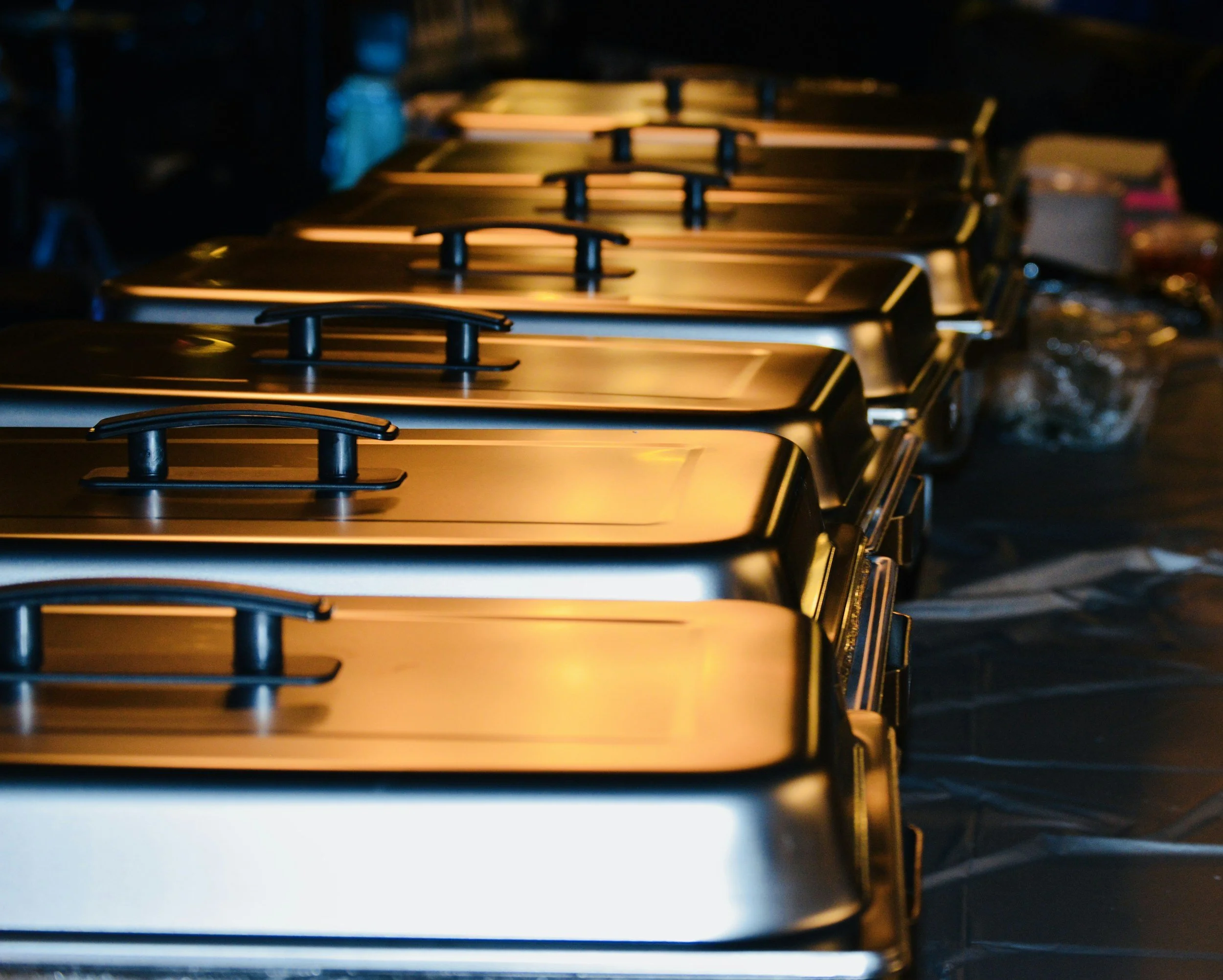
Baseline daily services for breakfast, lunch, and dinner continued at full capacity.
No service reductions.
No volume trade-offs.
Each event required:
High guest counts
Complex menu execution
Dietary accommodation
Cross-functional coordination
Tight labor bandwidth
Parallel execution alongside standard production
These were not isolated service days.
They were dual-load operational environments.
Event 1 – The Stress Test
(Black History Month)
The Black History Month dinner revealed structural friction:
Menu complexity misaligned with labor capacity
Limited prep sequencing clarity
Recipe feasibility not validated in advance
Communication gaps between BOH and FOH
Late component delivery to the service line
The issue was not effort.
It was architecture.
The event functioned as a live systems audit.
Diagnostic Insight
Structural gaps identified:
No shared visual production map
No phased prep breakdown
Limited menu transparency for staff
No early recipe pressure-testing
Communication cadence reactive instead of structured
Conclusion:
Cultural events require operational design, not improvisation.
Event 2 – Structured Implementation
(Ramadan Welcome Dinner)
Interventions introduced:
Visual prep map placed on communication board
Day-by-day production breakdown (Day 1, Day 2, Day 3, Event Day)
Plain-text menu reference for full team visibility
Alignment meetings held one week prior and one day prior to prep
Recipe feasibility reviewed in advance
Results:
Staffing clarity improved
Increased ownership among cooks
Strengthened BOH–FOH communication
Food executed early
Service line fully set 20 minutes prior to opening
Noticeable morale lift
Structure replaced compression.
Event 3 – System Stabilization
(Lunar New Year)
Executed two days after the Ramadan Welcome Dinner.
Further gains included:
Improved storage flow and cooling logistics
Cleaner sanitation sequencing
Reduced prep time
Faster execution
Zero last-minute crises
Elevated morale and team pride
Strong top-down communication
Leadership presence at opening with confidence in execution
The system held under pressure.
Measurable Shifts
Between Event 1 and Event 3:
Eliminated emergency compression
Increased staff ownership
Elevated morale
Early line readiness
Strengthened BOH–FOH communication
Stabilized execution while maintaining full daily service load
Established repeatable event framework
Consulting Takeaway
Cultural heritage dinners are operational stress tests.
When layered onto full-volume daily service, weaknesses are amplified.
When supported by structured architecture, they become system-strengthening opportunities.
The difference lies in:
Capacity modeling
Prep mapping
Recipe feasibility audits
Communication cadence
Leadership alignment
Operational clarity creates cultural confidence.